
How Home Builders Turn Design Plans Into Reality
Designing a custom home is an exciting step, but drawings alone do not create a finished place to live. Blueprints can show room dimensions, rooflines, traffic flow, and exterior style, yet every idea on paper still has to be translated into scheduling, materials, labor, inspections, and problem-solving in the field. A successful build depends on organization as much as inspiration. That is why home builders play such an important role in the construction process from planning through the final walkthrough.
A custom home project includes many moving parts that must work together at the right time. Homeowners may focus on layout, finishes, and natural light, while the construction team also has to consider code requirements, engineering details, drainage, mechanical systems, and durability. When the process is managed well, the completed structure reflects both the design vision and the realities of everyday living. Skilled home builders help turn abstract concepts into a home that is functional, attractive, and built to last.
Reviewing Plans Carefully
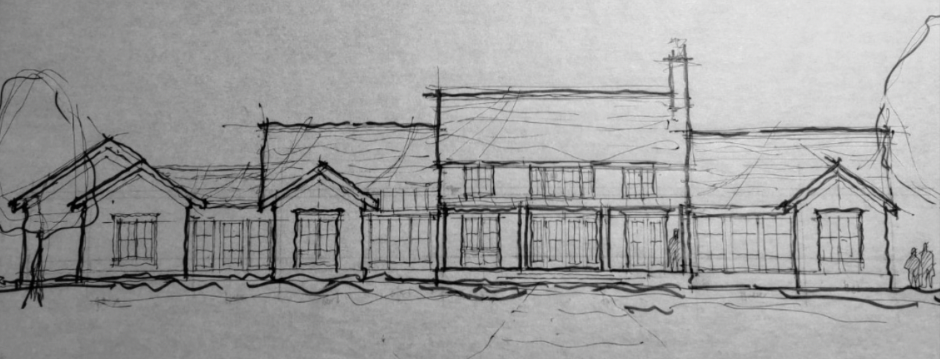
The first step in bringing a design to life is studying the plans in detail. Before materials are ordered or site work begins, builders examine architectural drawings, structural notes, elevations, and specifications to understand how every part of the home is supposed to come together. This stage is about more than reading measurements. It is about identifying how design choices will affect construction methods, scheduling, and coordination among trades.
During this review, home builders look closely at room layouts, ceiling heights, window locations, door swings, framing transitions, and special features that may require custom installation. They also compare the plans with the actual lot to make sure the design fits the property and can be built according to local rules. Catching inconsistencies early can prevent delays and confusion once construction is underway.
This stage is also important for clarifying the homeowner’s priorities. Some clients care most about entertaining, while others want quiet work areas, generous storage, or multigenerational living spaces. Understanding those goals at the beginning helps the project team protect the most important aspects of the design as work progresses.
Preparing Sites Properly
Once the plans are approved and permits are moving forward, attention shifts to the property itself. Site preparation is essential because the land must be ready to support the home safely and efficiently. Before the structure can rise, the lot is evaluated for grading, drainage, soil conditions, access points, and utility connections. These early conditions affect the stability of the home and the ease of construction.
Preparing a site may include clearing vegetation, staking the footprint, adjusting grades, and making way for excavation and foundation work. Each task has a long-term impact. Poor drainage planning, for example, can create water issues that threaten both the foundation and the surrounding landscape. Careful preparation helps avoid those problems and creates better conditions for the rest of the build.
This phase is especially important in the custom market, where lots and layouts vary widely. According to Eye on Housing, custom home building made up approximately 18 percent of total single-family starts as of early 2025. That figure highlights demand for personalized homes, but it also underscores why home builders must be ready to handle unique challenges before vertical construction begins.
Coordinating Trades Efficiently
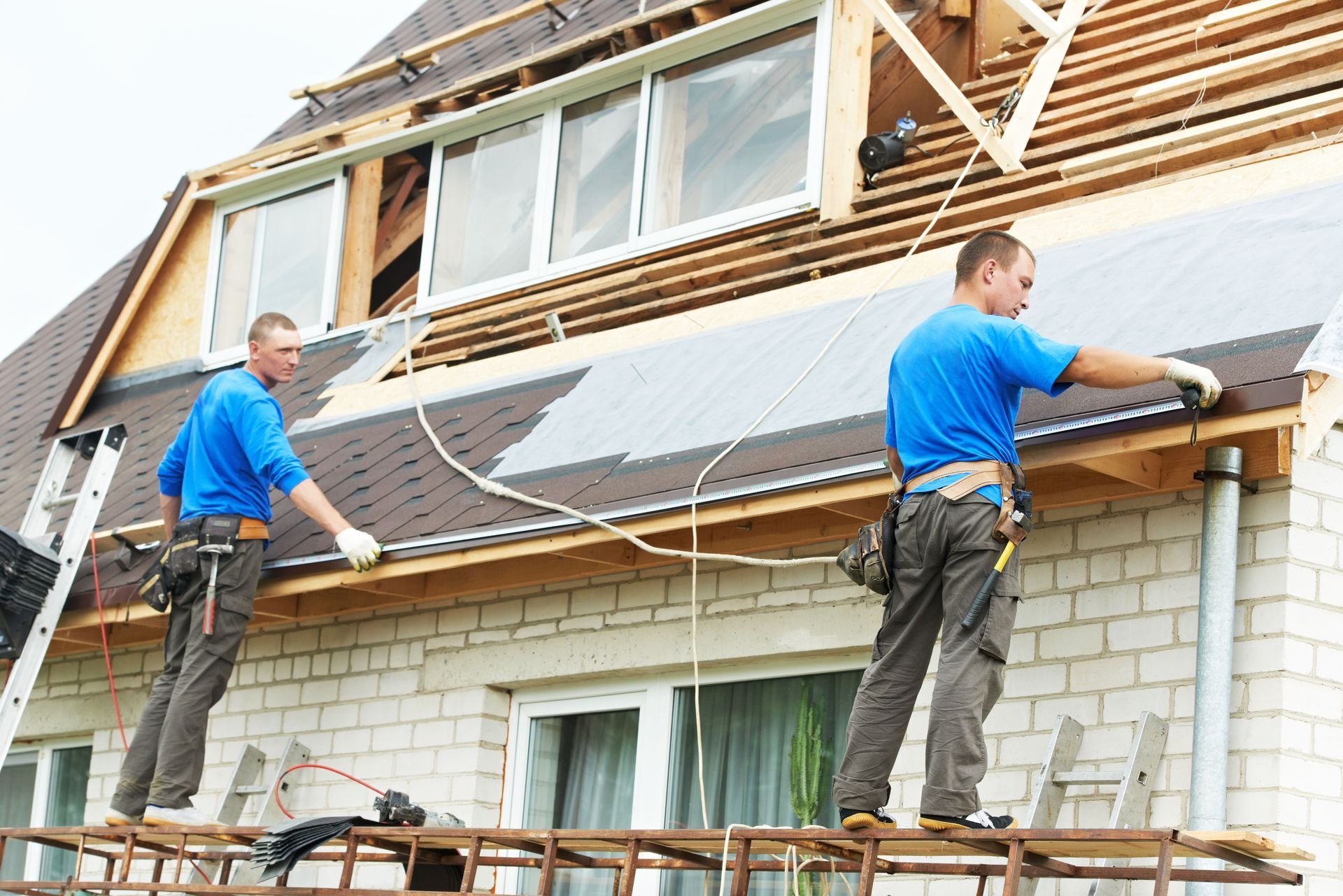
After the foundation is complete, the home begins to take visible shape. Framing, roof systems, exterior sheathing, and window installation define the structure, but that progress depends on precise scheduling behind the scenes. A custom build includes many specialists, and their work must happen in the correct order to keep the project moving smoothly. One delay can affect several other phases.
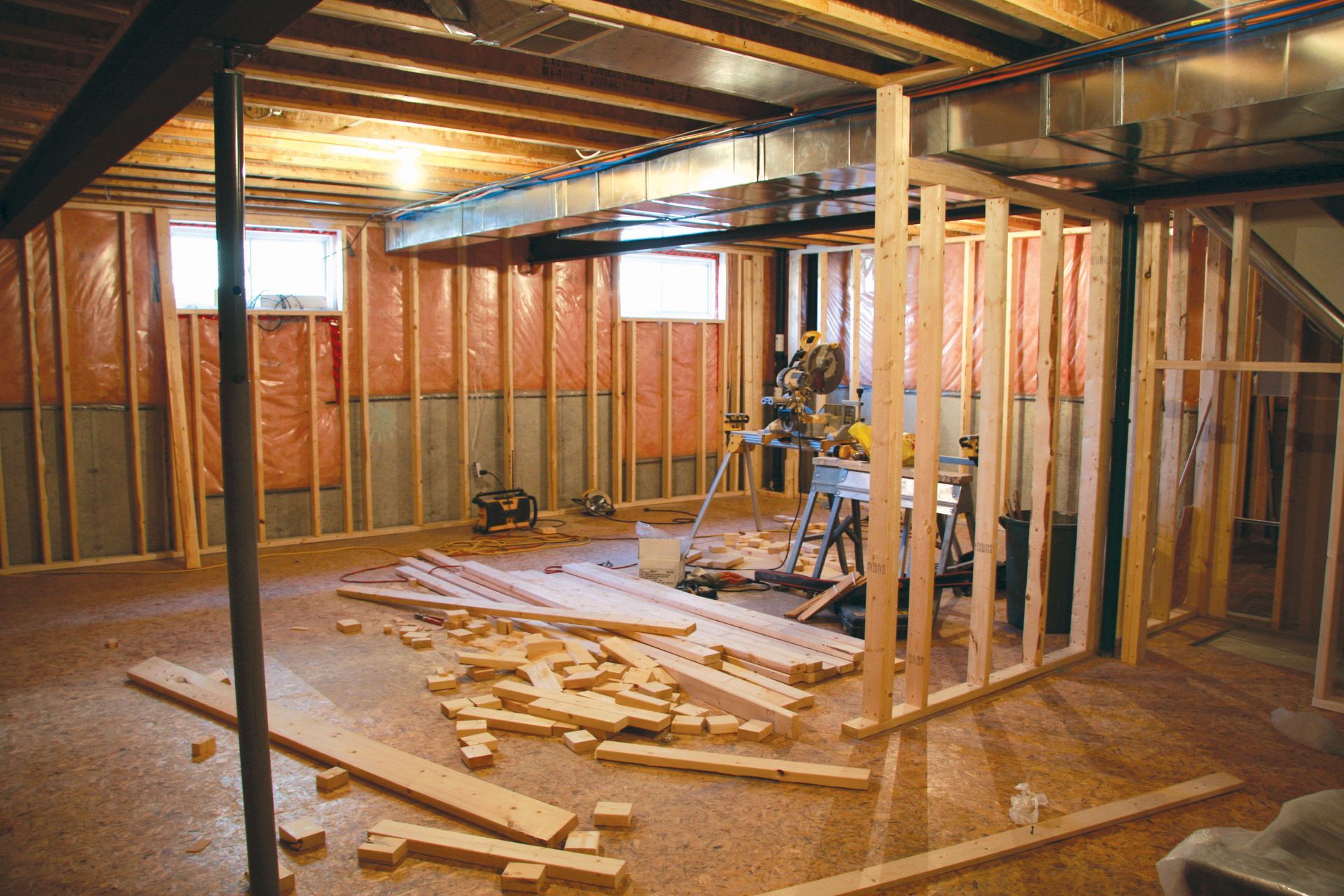
At this point, home builders coordinate framers, electricians, plumbers, HVAC technicians, roofers, and other trades so their work aligns with the plans and with one another. Plumbing lines, wiring routes, and ductwork all need to fit within the structure without interfering with other systems. That kind of coordination requires oversight, communication, and a clear understanding of the full sequence of construction.
Builders also monitor changes that arise in the field. If a design detail shifts or a product selection changes, the adjustment may affect framing, utility placement, finish dimensions, and installation timing. Managing those relationships is a major part of turning a design plan into a workable structure. Careful coordination keeps the project organized and helps every stage support the next one.
Selecting Materials Thoughtfully
Materials shape both the appearance and performance of a home. Flooring, siding, roofing, cabinetry, fixtures, trim, insulation, and countertops all contribute to the final result, but they also affect budget, maintenance, energy efficiency, and durability. Choosing them well requires more than style preferences. Each material must fit the home’s design and the way the household will use the space.
Experienced home builders help clients evaluate materials based on function as well as aesthetics. A product that looks beautiful in a showroom may not be the best option for a busy family, a humid environment, or a room with heavy daily use. Builders can explain how different selections perform over time so homeowners can make informed decisions that support both beauty and practicality.
Some materials must be chosen early because they have longer lead times or affect the work of multiple trades. Finalizing those selections on schedule helps avoid delays and prevents substitutions that may not match the original intent of the design. Thoughtful material planning keeps the home cohesive and helps protect the overall construction timeline.
Communicating Decisions Clearly
Strong communication is one of the most valuable parts of a successful custom home project. Even with detailed plans, questions and adjustments often come up during construction. Site conditions may reveal unexpected issues, certain products may become unavailable, or homeowners may refine their choices once they can better visualize the space. A clear communication process helps those changes happen without unnecessary confusion.
Throughout the build, home builders act as a central point of contact between clients, subcontractors, suppliers, and design professionals. They explain progress, discuss upcoming decisions, document important changes, and help homeowners understand how one choice may affect cost, timing, or installation. This kind of communication keeps expectations realistic and makes the process easier to follow.
Good communication also builds confidence. Most homeowners do not deal with construction schedules, inspections, and trade coordination on a regular basis. When updates are timely and explanations are straightforward, the project feels more manageable. Instead of being overwhelmed by technical details, clients can stay focused on the bigger picture while still making informed decisions.
Inspecting Details Thoroughly
As construction nears completion, the focus turns to workmanship, function, and final presentation. Finishes are installed, systems are tested, and the home begins to reflect the vision on paper. This stage is not just about making the space look complete. It is about confirming that each part of the home performs as expected and meets quality standards before move-in.
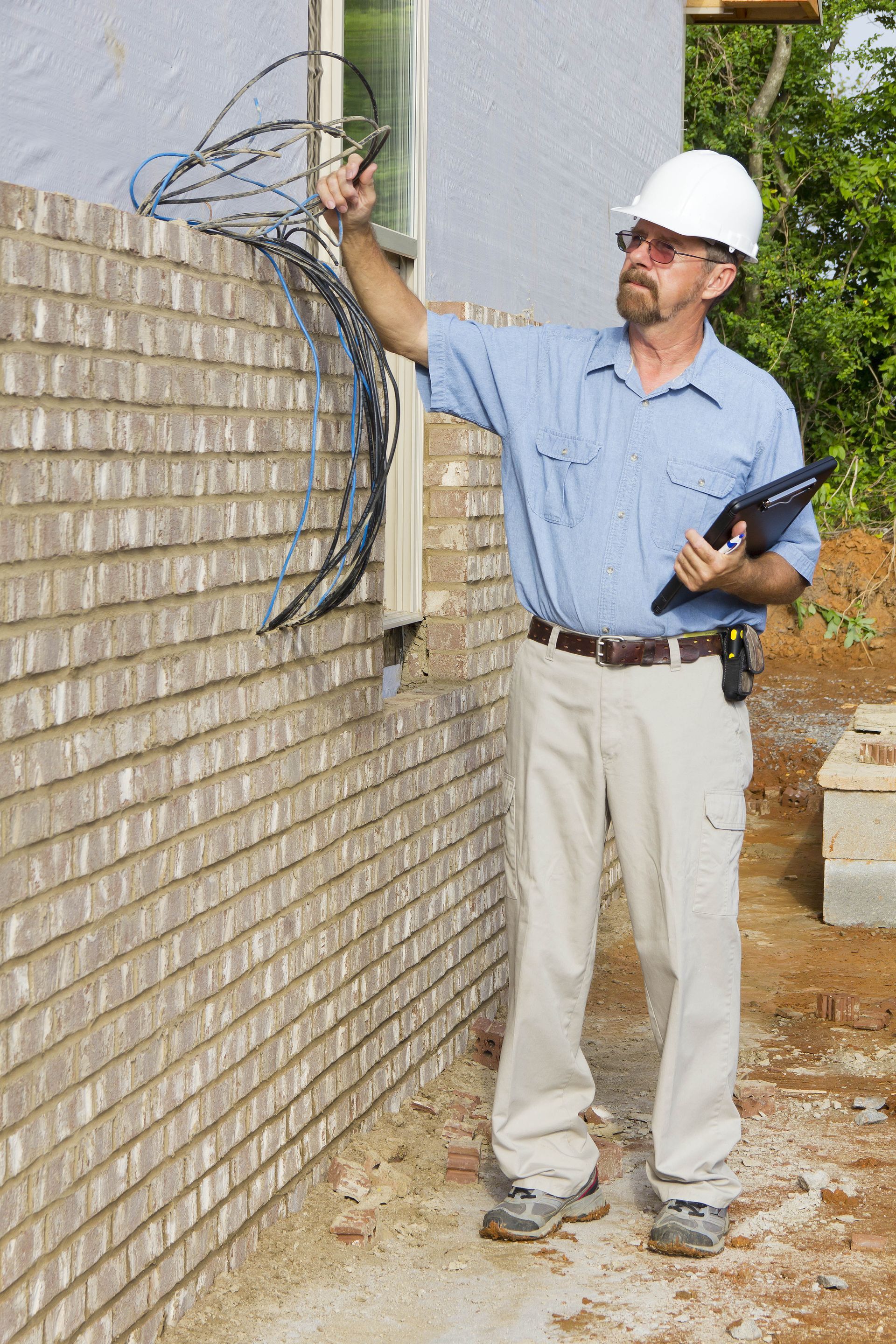
Builders inspect doors, windows, cabinetry, trim, flooring, paint, fixtures, and mechanical systems to identify anything that needs adjustment. Small details matter because they shape daily comfort and long-term satisfaction. A misaligned cabinet door, uneven trim joint, or poorly adjusted fixture can affect how the entire home feels to the homeowner.
Final walkthroughs allow clients to review the finished space, ask questions, and note any final touch-ups. At this stage, the value of home builders becomes especially clear. They help ensure that the completed structure reflects the design, supports daily life, and delivers the craftsmanship expected from a custom project. Call Albertine Company, LLC today to schedule your custom home building consultation.New Paragraph
Share On: