
The Relationship Between Building Permits and Better Business in Custom Home Building
Anyone who has walked through the process of building a new home knows that permits are more than paperwork. They're the backbone of a well-run project, the checkpoint that keeps design ambitions grounded in code compliance, and the safeguard that protects homeowners from costly surprises down the line. In an industry where reputation is everything, how a builder handles permitting says a lot about how they handle everything else. For anyone evaluating a builder for custom home building, the permit process is a window into that company's professionalism, planning, and long-term reliability.
Understanding why permits matter, and how they connect to better business outcomes, helps homeowners make smarter decisions and helps builders demonstrate the value of doing things the right way.
Understanding the Role of Building Permits
Building permits exist to confirm that a project meets local codes for safety, structural integrity, and zoning compliance. Every step, from the foundation to the final electrical inspection, is tied to an approval process that protects the homeowner as much as it protects the builder. Skipping or mishandling this step doesn't just create legal exposure. It can compromise the safety and long-term value of the home itself.
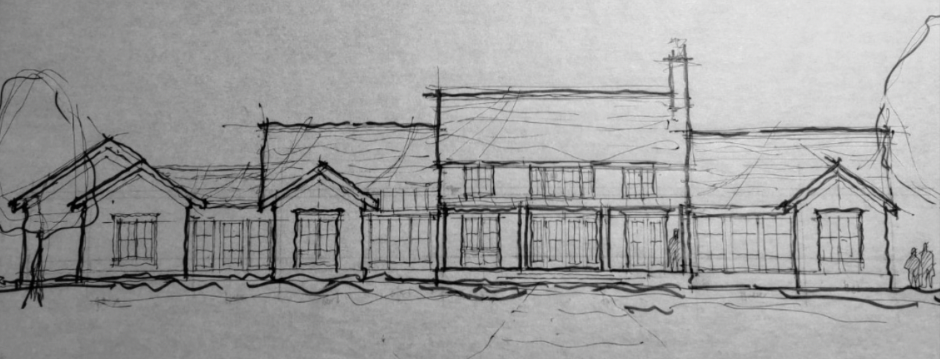
In custom home building, where floorplans, materials, and site conditions vary from project to project, permits are rarely a simple formality. Each home is unique, which means the permitting process often requires careful coordination between architects, engineers, and local building departments. A builder who treats this coordination as a core part of the process, rather than an afterthought, sets the stage for a smoother build from day one.
Protecting Homeowners Through Proper Permitting
One of the clearest benefits of a disciplined permitting process is the protection it offers homeowners. Permits create a paper trail that confirms the work was inspected and approved by qualified officials at each stage of construction. This matters not only for peace of mind during the build, but also for resale value years later, when a properly permitted home is far easier to insure, finance, and sell.
Homeowners investing in custom home building are often making one of the largest financial decisions of their lives. Working with a team that understands permitting inside and out reduces risk at every phase, from lot preparation to final walkthrough. It also reflects a builder's commitment to transparency, since permits are public record and available for review.
Avoiding Delays With Careful Permit Planning
Delays are one of the most common frustrations in residential construction, and permitting issues are frequently at the root of them. A missing inspection, an incomplete application, or a miscommunication with a local building department can stall a project for weeks. For homeowners who have already committed to a timeline, whether that means moving out of a rental or coordinating with a mortgage lender, these setbacks carry real costs.
Builders who prioritize permit planning early in the process, before the first shovel hits the ground, tend to avoid these bottlenecks. This means securing the right documentation, scheduling inspections proactively, and maintaining open lines of communication with local officials. A recent housing market snapshot underscores just how sensitive the broader construction pipeline is to timing. According to the U.S. Census Bureau, seasonally adjusted privately-owned housing units authorized by permits reached an annual rate of 1,456,000 in February, a 1.2% dip from January and 6.8% below the same month the previous year. Figures like these are a reminder that permitting activity is closely tied to the overall pace of new home construction, and that builders who manage the process efficiently are better positioned to keep projects moving even as market conditions shift.
Ensuring Quality Through Permit Inspections
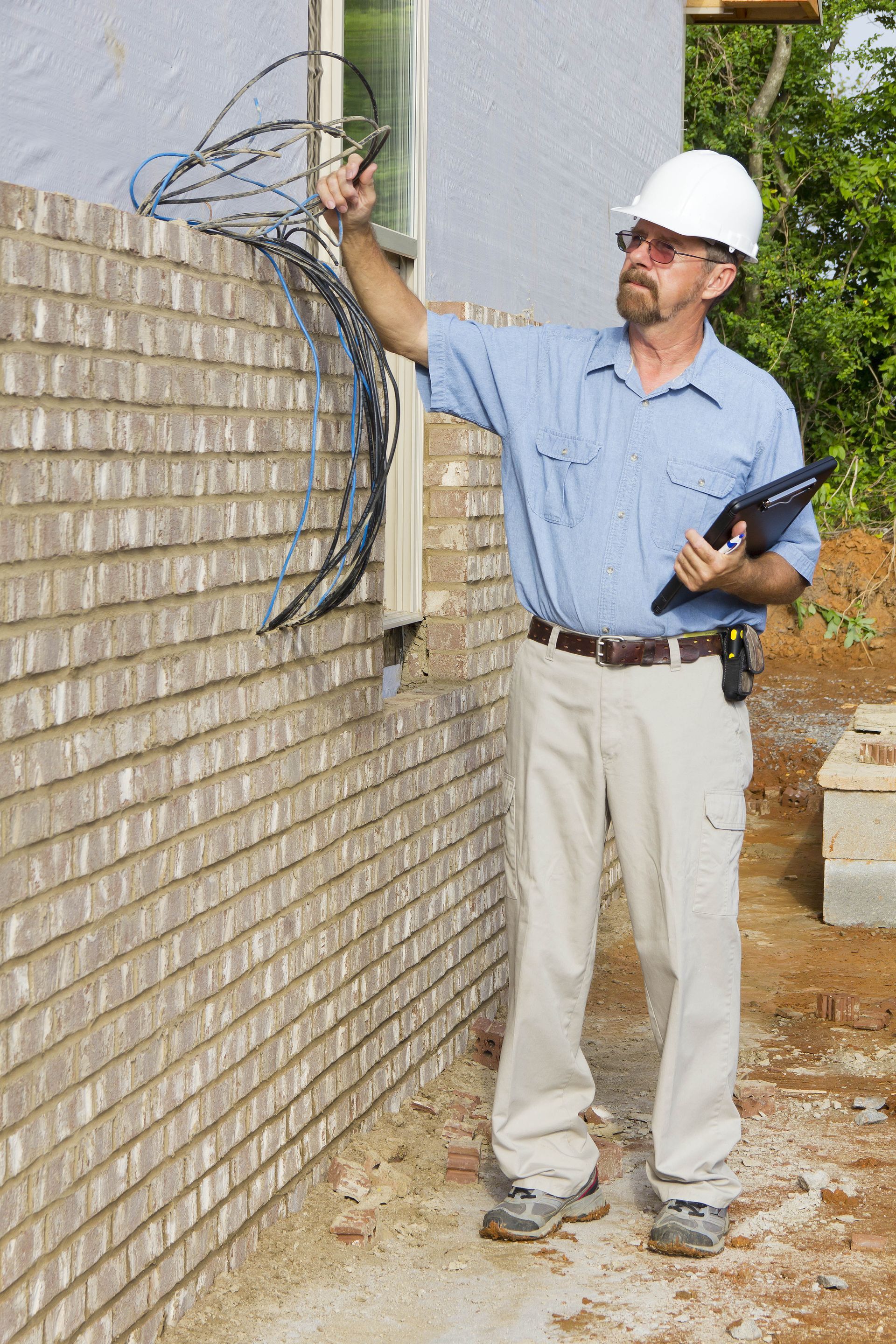
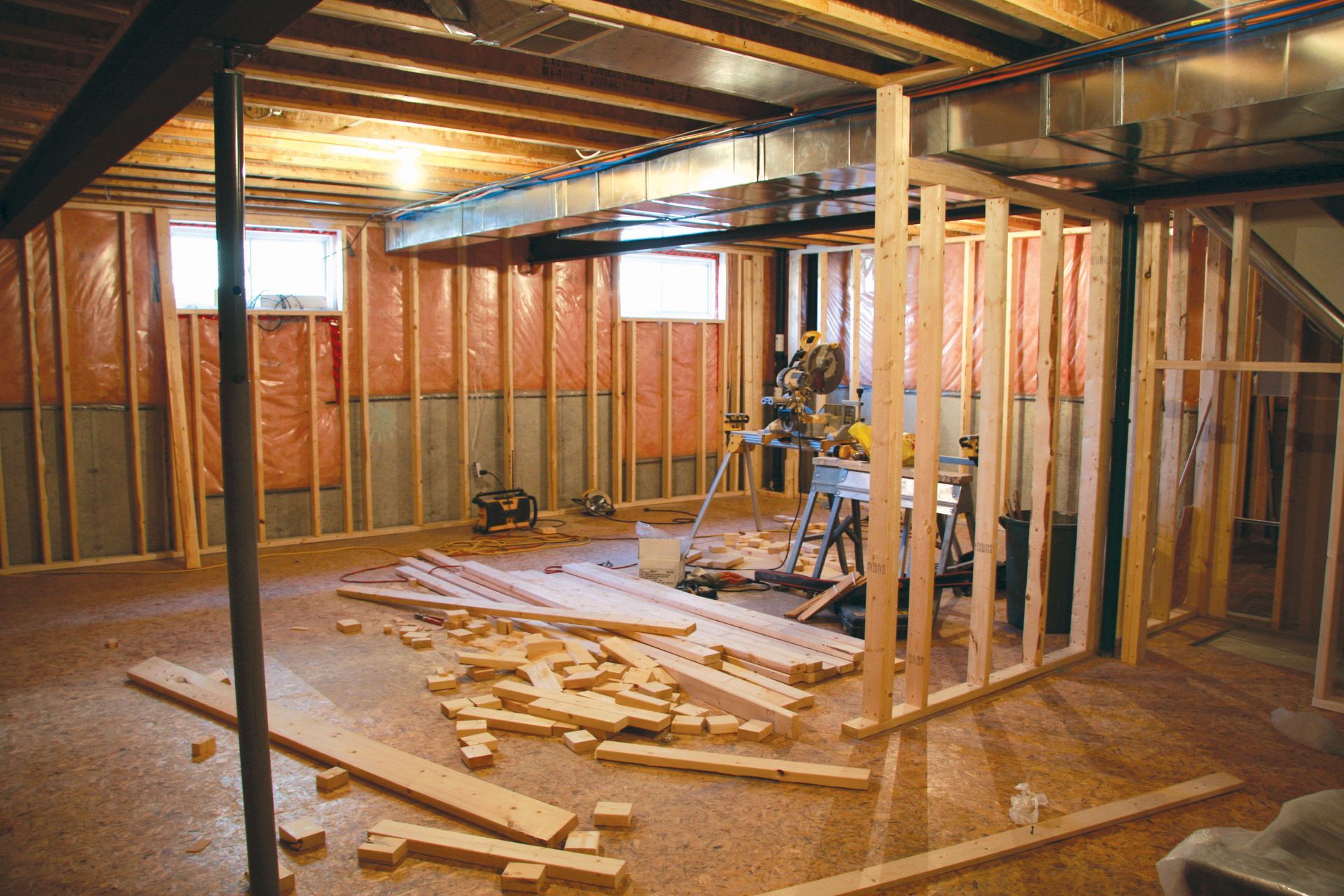
Inspections tied to the permitting process aren't just regulatory hurdles. They're quality checkpoints that give homeowners confidence in the finished product. Framing inspections confirm structural soundness. Mechanical, electrical, and plumbing inspections confirm that critical systems are installed correctly and safely. Final inspections confirm that the home is ready for occupancy.
In custom home building, where custom features and unique architectural details are common, these inspections take on added importance. A well-managed permitting process ensures that even the most distinctive design elements meet the same rigorous safety standards as any other home. Builders who welcome inspections as part of a structured quality control process, rather than treating them as obstacles, tend to deliver homes that hold up better over time and require fewer costly repairs down the road.
Building Long-Term Value With Permit Compliance
Beyond safety and quality, permit compliance has a direct impact on a home's long-term value. Unpermitted work can create major complications during a future sale, from failed inspections to insurance denials to legal liability for the homeowner. Buyers and appraisers alike view permitted construction as a mark of legitimacy, which translates into stronger resale value and fewer complications at closing.
This is one of the strongest arguments for working with experienced professionals throughout the custom home building process. A builder who understands local permitting requirements, maintains strong relationships with building departments, and documents every step of construction is protecting the homeowner's investment long after move-in day. That kind of diligence doesn't happen by accident. It's the result of a structured process built on decades of experience and a genuine commitment to doing the job right.
Choosing a Builder With Proven Experience
The builder you choose has a lasting impact on how smoothly your project unfolds and how well the finished home performs over time. Look for a team with a long track record, strong relationships with architects and local officials, and a transparent process from lot selection through final walkthrough.
Experience matters most when unexpected challenges arise, since a seasoned team knows how to solve problems without sacrificing quality or timeline. In custom home building, this kind of proven expertise often makes the difference between a stressful build and an enjoyable one.
Planning for a Smooth Construction Timeline
A realistic, well-communicated timeline is one of the most valuable tools a builder can offer. From the earliest planning meetings through final inspections, clear scheduling helps homeowners anticipate each phase and stay informed along the way. Weekly updates, scheduled walkthroughs, and proactive communication all contribute to a process that feels manageable rather than overwhelming.
When timelines are built around realistic expectations instead of guesswork, homeowners gain confidence in the process and in the team guiding it, which ultimately leads to a better overall experience from groundbreaking to move-in day.
Permits may seem like a background detail in the larger story of building a new home, but they shape nearly every part of the experience, from timeline to quality to resale value. A builder who takes permitting seriously is signaling something important: that they value transparency, accountability, and craftsmanship at every stage of construction. For homeowners, that discipline translates directly into a smoother process and a home built to last. For builders, it's a reputation earned one properly permitted project at a time, and a clear differentiator in a competitive custom home building market.
Choosing the right partner for your project means choosing a team that treats permitting, planning, and quality control as inseparable parts of the same process. We at Albertine Company, LLC bring more than 70 years of experience to every custom home we build, with a proposal process that accounts for permitting from the very start and a construction team that manages inspections and walkthroughs at every stage. If you're ready to start planning your new home, we invite you to contact Albertine Company, LLC today to discuss your project and experience a building process grounded in transparency, quality, and care.
Share On: