
What Your Local Home Builder Should Know about New Home Construction
In this article, we explore the essential insights and knowledge you should gather from your local home builder when considering new home construction. Understanding these key aspects can guide you in making informed decisions and ensuring a successful building process. New home construction involves various stages that require careful planning and execution. By familiarizing yourself with these stages, you can better navigate the complexities of building a new home. This article aims to provide you with a comprehensive understanding of what to expect and prepare for during the construction process.
1. Understanding the Construction Process
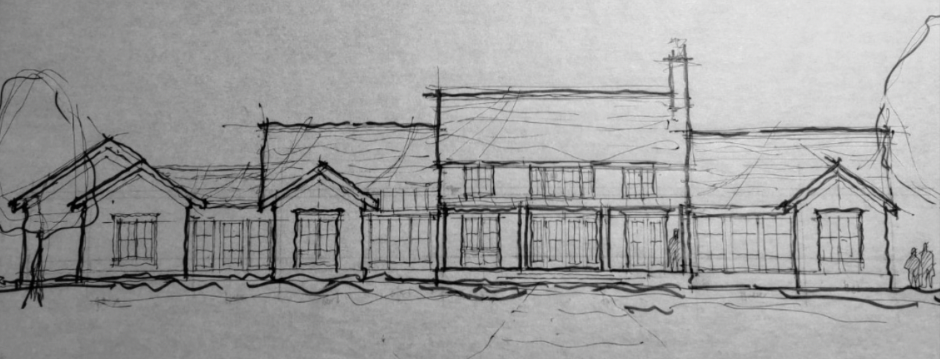
The construction process is a multifaceted journey that starts with planning and design. During this phase, homeowners collaborate with architects and designers to create a blueprint that aligns with their vision and needs. This stage is crucial as it lays the foundation for the entire project, ensuring that all design elements are considered and integrated. Effective planning can help prevent costly changes and delays later in the process. It is essential to work closely with professionals to finalize designs that are both functional and aesthetically pleasing.
Permits and regulations are integral components of the construction process. Before breaking ground, builders must secure the necessary permits from local authorities to ensure compliance with building codes and standards. Failure to obtain the proper permits can result in legal complications and fines. It is important for homeowners to understand the regulatory landscape and work with builders who have experience navigating these requirements. By doing so, you can ensure that your project adheres to all necessary guidelines and progresses smoothly.
Site preparation is the next step in the construction process, involving clearing the land and making it ready for building. This involves tasks such as grading the land, removing debris, and setting up temporary utilities. Proper site preparation is crucial for establishing a solid foundation and preventing future structural issues. Once the site is prepared, the construction of the foundation begins, followed by the erection of the structural framework. Each stage must be executed with precision to ensure the safety and stability of the home.
2. Selecting Quality Materials
Selecting the right materials is a critical decision in home construction that affects the durability and sustainability of the home. Sustainable options, such as recycled materials and energy-efficient products, are becoming increasingly popular among homeowners. These materials not only reduce the environmental impact but also offer long-term cost savings through energy efficiency. It is important to weigh the benefits of sustainable materials against their initial costs. Consulting with your builder can provide insights into the best materials for your specific project.
The choice between cost and durability is a common consideration when selecting materials. While cheaper materials can reduce upfront costs, they may not offer the same longevity as higher-quality options. Investing in durable materials can prevent the need for frequent repairs and replacements, ultimately saving money over time. It's essential to assess the long-term implications of your material choices. Builders can provide valuable advice on the trade-offs between cost and quality, helping you make informed decisions.
Another key consideration is whether to use local or imported materials. Local materials often have the advantage of being more readily available and may incur lower transportation costs. Additionally, they can support the local economy and reduce the environmental impact associated with shipping. However, certain projects may benefit from the unique qualities of imported materials. Weighing these factors with your builder can help you determine the best approach for your construction needs.
3. Budgeting and Financing
Budgeting is a foundational aspect of home construction that requires careful planning and management. Construction loans are a common financing option that provides the necessary funds to cover building costs. These loans are typically interest-only during the construction phase, with repayment beginning once the home is completed. It is important to explore different loan options and understand the terms and conditions associated with them. Working with financial advisors and builders can help you secure the best financing solution for your project.
Cost estimation is a critical step in setting a realistic budget for your construction project. Builders can provide detailed estimates of the expected costs, including materials, labor, and permits. According to HomeLight, the cost to build a new home is anywhere from $138,937 and $531,294, with a national average of around $323,026, which does not include the land. Understanding these costs can help you plan accordingly and avoid financial surprises. It is important to account for all potential expenses and align your budget with your financial capabilities.
Managing unexpected expenses is an essential part of staying within budget during construction. Contingency funds should be set aside to cover unforeseen costs that may arise during the building process. These can include changes in material prices, construction delays, or design modifications. Effective communication with your builder can help minimize these risks and keep the project on track. By being proactive and flexible, you can ensure that your construction project remains financially viable.
4. Working with Contractors and Subcontractors
Choosing the right builder is a critical decision that can significantly influence the outcome of your construction project. A reputable builder with a proven track record can provide assurance of quality workmanship and adherence to timelines. It is important to conduct thorough research and seek recommendations from past clients. Interviewing potential builders and reviewing their portfolios can help you make an informed choice. Establishing a good relationship with your builder is key to a successful construction experience.
Effective communication and collaboration with contractors and subcontractors are essential for a smooth construction process. Clear communication ensures that everyone involved in the project understands the goals and expectations. Regular meetings and updates can help address any issues that arise and keep the project on schedule. It is important to foster a collaborative environment where all parties can contribute their expertise. This synergy can lead to innovative solutions and a higher-quality build.
Understanding contracts is a fundamental aspect of working with builders and subcontractors. Contracts outline the scope of work, timelines, and payment schedules, providing a legal framework for the project. It is crucial to review all contract terms carefully and seek legal advice if necessary. A well-drafted contract can protect your interests and prevent disputes. Builders can assist in explaining contract details and ensuring that all parties are aligned with the project's objectives.
5. Considering Post-construction Needs
Post-construction considerations are important for ensuring that your new home meets all standards and expectations. Final inspections are conducted to verify that the construction work complies with building codes and design specifications. These inspections can identify any deficiencies or issues that need to be addressed before moving in. It is important to work with your builder to schedule and complete all necessary inspections. This step is crucial for obtaining occupancy permits and ensuring the safety and quality of your home.
Landscaping and outdoor spaces are key elements of the post-construction phase that enhance the aesthetic and functional appeal of your property. Thoughtful landscaping can increase curb appeal, provide outdoor living areas, and improve property value. It is important to plan landscaping features that complement your home's design and the surrounding environment. Builders can offer advice on sustainable landscaping practices that conserve water and energy. Investing in quality landscaping can create a harmonious and inviting outdoor space.
New home construction is a significant investment that requires careful planning and informed decision-making. By understanding these critical aspects, you can work effectively with your local home builder to create a home that meets your expectations and stands the test of time. The construction process, material selection, energy efficiency, budgeting, and collaboration with builders are all essential elements in achieving a successful build. Post-construction considerations, such as inspections and landscaping, further contribute to the quality and value of your home. Armed with this knowledge, you can confidently embark on your new home construction journey. If you're looking for a
local home builder in Germantown or the greater Memphis area, reach out to Albertine Company, LLC today!

Share On: